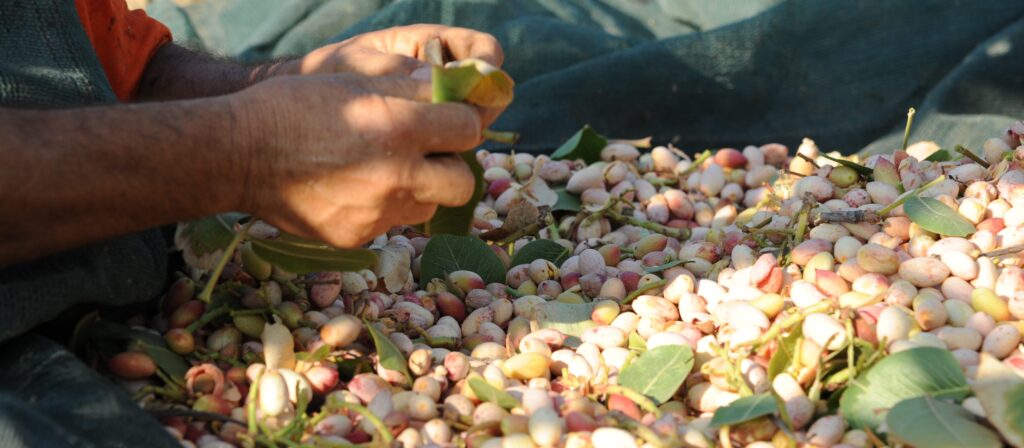
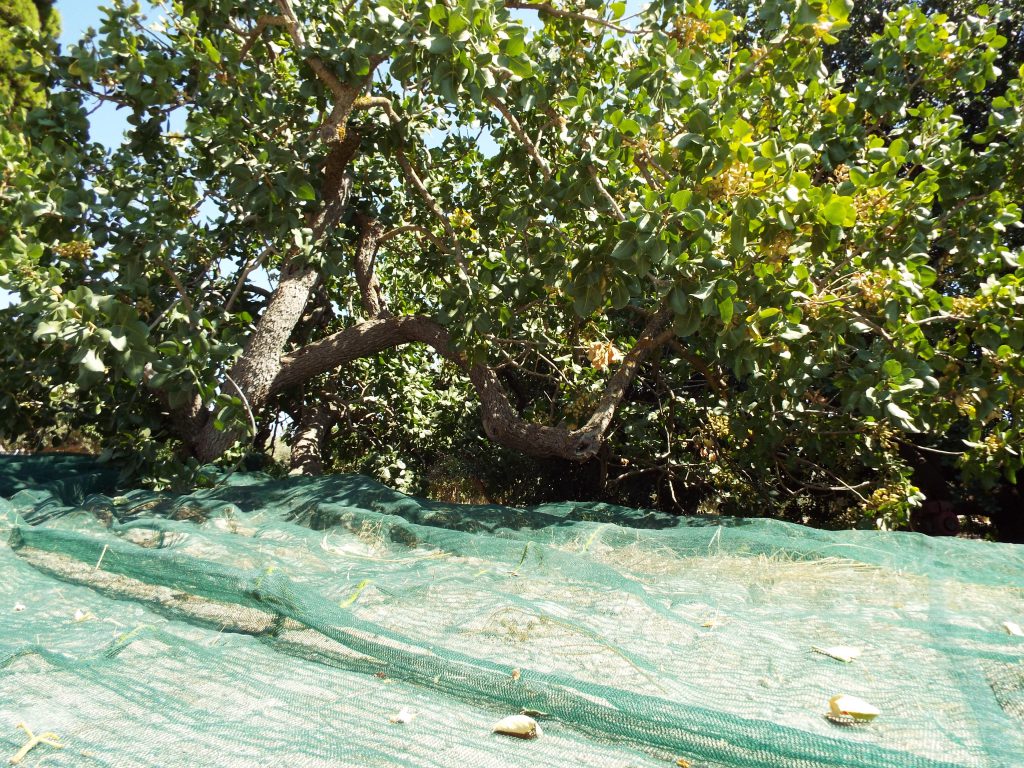
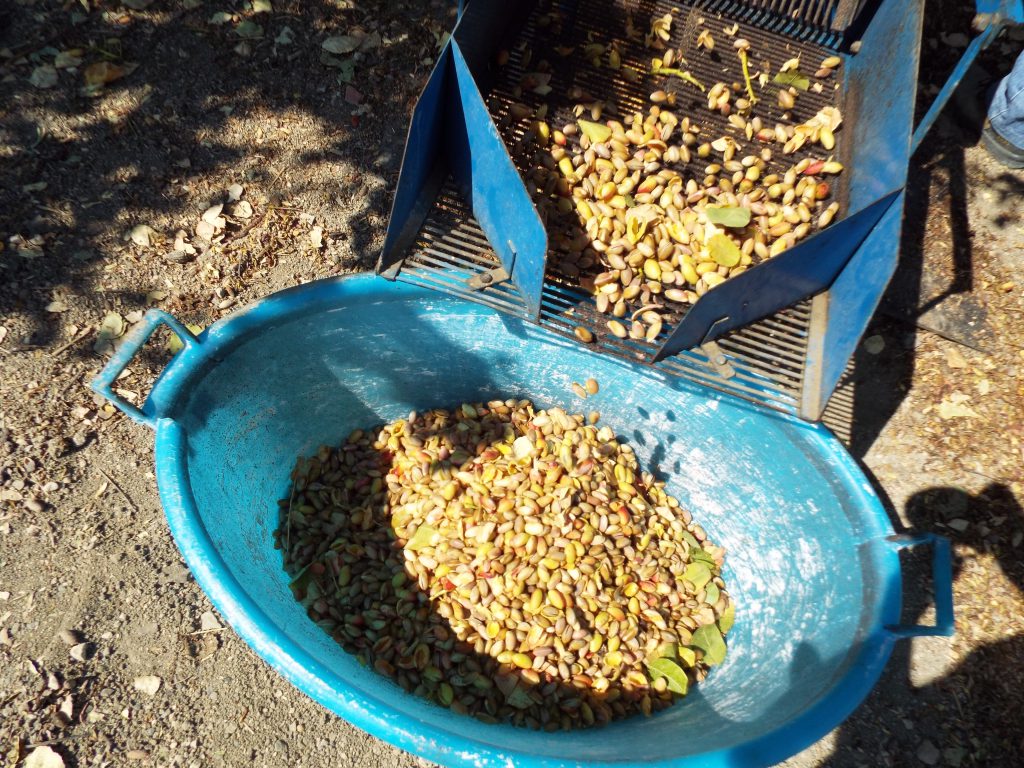
During the proceedings of the National Conference on Pistachio, Raffadali is defined as the main center and the principal marketplace for pistachios. The socio-economic characteristics of the agricultural enterprises of Raffadali producers show that, despite a limited territorial extension, numerous agricultural lands registered in neighboring municipalities are cultivated by farmers from Raffadali, which is why their products are considered as Raffadali products. The pistachio, therefore, cultivated under these conditions in the districts of the territories of Joppolo, Santa Elisabetta, San Biagio Platani, Sant’Angelo Muxaro, Cianciana, Cattolica Eraclea, Agrigento, Favara, Casteltermini, Racalmuto, Aragona and Santo Stefano Quisquina, fits into this context, representing what is typically identified as Raffadali Pistachio. The prevalent cultivar is represented by the Bianca (or Napoletana), although a good percentage (between 5 and 10%) consists of cultivars with predominantly local distribution, typical of the province of Agrigento as described by Barone in 1985. Harvesting operations take place from the second half of August to the first half of October, depending on the correct degree of ripeness which is related to the different production areas and climatic conditions. Harvesting is carried out by beating on nets or by hand-picking, using baskets or containers, taking care to prevent the fruits from falling to the ground. The fruits must be hulled manually or mechanically to obtain the shelled product within 24 hours of harvesting, in order to prevent browning and possible contamination. Following the hulling phase, the shelled product must be immediately dried in direct sunlight or with other drying systems
0
Over Organized Exhibitions
0
Unique Objects Around the World
0
Multi media Exhibitions with a Guide
0
Tickets Sold by our Organization
Our Speakers
This is floting our key speakers section you can check the details about name, job, phone, email & more.
Tommy Martinez
Painter, Conceptual Artist
Augue ut lectus arcu bibendum at varius vel pharetra vel. Vestibulum lorem sed risus ultricies. In curs turpis massa tincidunt dui ut ornare.